It is really a pleasure and I look so much forward to the discussion here today and of
course also the following days when Heiner called me six months ago and said would you
like to come for a few days, three I think you said three four five days or something
very long a whole week almost as a whoa what a treat to just be here and discuss some of
these issues which are very close to our hearts and also very troubling in this particular
period of time. So and I must also add one small thing is that it's so nice to be here
just all last week I was in Iran on a mission and also visiting a number of universities
and I see that you have a beer festival starting tomorrow so that but it was extremely interesting
being in Iran and also seeing sort of the positive developments in that place. What
I would like to use my 45 minutes on is to address something which I think is at least
something that troubles me I mean this will be a bit of throwing a number of issues that
of great concern to me something that occupies me on where are we moving in the human rights
field where we moving on some of the basic democratic principles how do we actually ensure
a world which is livable for our children and grandchildren that's coming back to being
old. So how do we actually ensure that there is a proper framework for those next generations
to actually live in this world in a decent way as I think we can say that most of us
do. How do we navigate human rights in this world full of unknowns? The number of autonomous
developments that are converging these days and years are in my view staggering and sometimes
I think some of us feel almost totally paralyzed how do we actually relate to it. All of these
developments that we see and that I dig more into may be interconnected and they may not
be interconnected and in some way or another it doesn't really matter because they will
find their way they converge and will impact greatly on that unknown world that we are
entering into. To get us started I put up this map and that it will be the only slide
so you will be able to learn all the metro stations in the metro line in Stockholm that's
what the map is about. It is and what in particular what I want to show here is the Hesselby line
it's a bit far away but it's the one to the far left that's Hesselby. I have another street
also which also starts with an H and that is in the city of Aalborg in Denmark this
is Stockholm and we have Aalborg in Denmark this street is Hasseris Street so you have
Hesselby and Hasseris. What do these two the metro line and this street what do they have
in common except from being in the Nordic countries and both starting with an H. They
have one thing in common and that is that it makes a tremendous difference in which
end of that street or metro line you are born. There are up to 14 years difference in life
expectancy if you have been born in the one or the other end of that metro line or at
Hasseris Street in Aalborg 14 years. These are Nordic welfare states 2017 we can find
the same sort of picture everywhere in Europe today and probably with even bigger gaps.
Leave no one behind is sort of the call from the UN SDGs the sustainable development goals
we should not leave anyone behind. I think that metro line illustrate that some people
are left behind there are some issues to be looked into. Who are then the people who statistically
will live 14 years shorter than their street or metro line fellow citizens. These are Danes,
Swedes mostly men low education poor salary unemployed or in the lower end of the workforce
often single with weak social networks. That is sort of the common profile of these people
and then of course we all know there are a lot of nuances in that. They feel left behind.
They are frustrated with low level of self-esteem and increasingly via social media platforms
they can channel they can use for channeling all their anger. I think that is positive
because now there is a chance that their issues actually will be heard. It may serve them
well but it definitely may also serve the entire society well. In the old days when
the miners went into the coal mines they brought along cages with parakeets and when the parakeet
started drowsing the miners knew that it was time to get out. It was a signal that the
oxygen was getting low. What we may have heard from the Brexit referendum the presidential
election in the US and most recently the 21% voting for Marine Le Pen and throughout Europe
Presenters
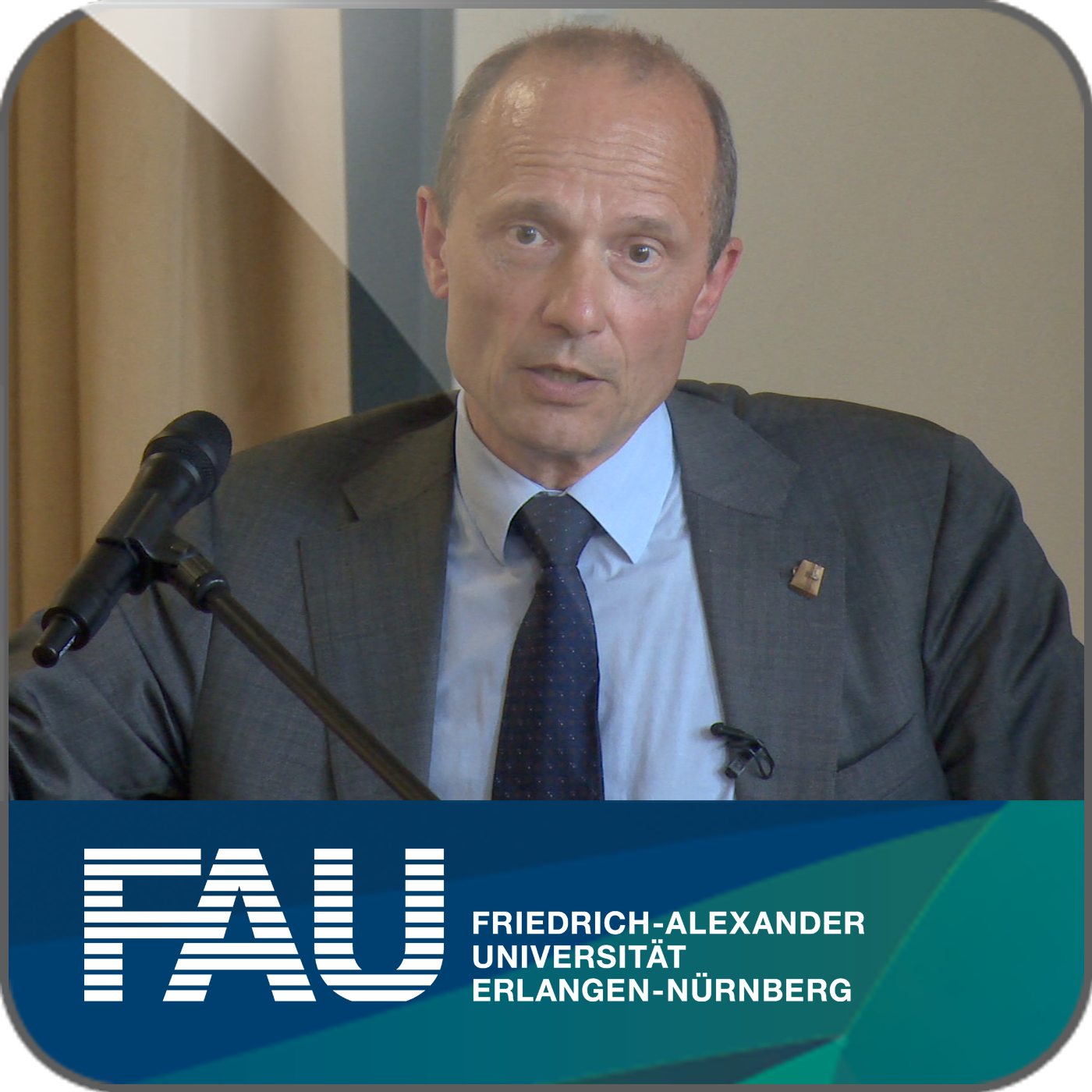 Prof. Morten Kjaerum
Zugänglich über
Offener Zugang
Dauer
01:27:17 Min
Aufnahmedatum
2017-05-31
Hochgeladen am
2017-06-14 10:40:05
Sprache
de-DE