Ladies and gentlemen, good afternoon.
Thank you very, very much for hosting us in this wonderful city, the city of health and
medicine.
It means a lot to me.
And as you said, I feel at home at the Friedrich Alexander University.
And for us, this distinction means a lot.
So I'd like to warmly thank you, thank the president of the university, thank the dean
of the faculty, and thank the mayor of the city of Erlangen and the gentle and very kind
scientific committee, Andreas Mackensen and Gerold Schuler and Beatrice Schuler and all
my friends here.
Thank you for your support.
So, as you know, this distinction is not my price.
This distinction has to be shared with lots of European investigators that really supported
my research and helped all along the path pathway.
And this is a list which is not exhaustive, showing how much the cooperation and the coordination
of research is needed to achieve something great.
And all together, we culminated our effort in this Bible, the practical guide of cancer
immunotherapy, more than 40 chapters.
Most of these investigators contributed, and this is for our young scientists and our young
MDs.
So, of course, I share this price also with my alumni.
I am so indebted to the efforts, this dedicated task that they tried to put together over
the last decades.
And this is so important to say that they contributed to all show that the immune system
would be really in play during cancer therapeutics, and I feel really very indebted to their efforts.
Of course, I share this price with my beloved husband and son, Guido Kroemer and Ulysse
Kramer, and it's ongoing because they are supporting my efforts and my absence all the
time.
Without Gustave Roussi and without my universities, this tour de force wouldn't have been possible.
And as outlined by the president and the mayor of the city, what is important is the bench
to the bedside and from the bedside to the bench efforts.
And this Gustave Roussi was really the palace, the home for sharing this important bio banking
of specimens from patients, and that's what is so important to now make the future breakthroughs.
So when I look back onto my past, I think that these drives that Andreas highlighted
is coming from the faculty of medicine, Pitié Salpeterrière, a very famous place in Paris.
And this drive was really continued and maintained through my medical career.
I was a trainee in medical oncology and at Gustave Roussi Breast Cancer Department.
I was really impressed and stopped by patient suffering, and I couldn't bear not to be able
to cure everybody.
And so that's one of the major, I think, drives that we might have.
Our colleagues, I am sure in this room everybody feels the same way.
Curing is restoring freedom and we do not remember the people we were able to help,
but we do remember the ones that we couldn't help.
And this is really a continuous drive.
So I decided to leave to the United States.
So Andreas summarized it very nicely because I decided to dig to dive into tumor immunology.
I was sure that the locusites would be capable of attacking our tumor cells, and nobody would
believe in that.
So I was facing a bunch of directors that were all, you know, wondering whether I was
completely out of my mind because at that time we were trying to debulk, to eliminate
Presenters
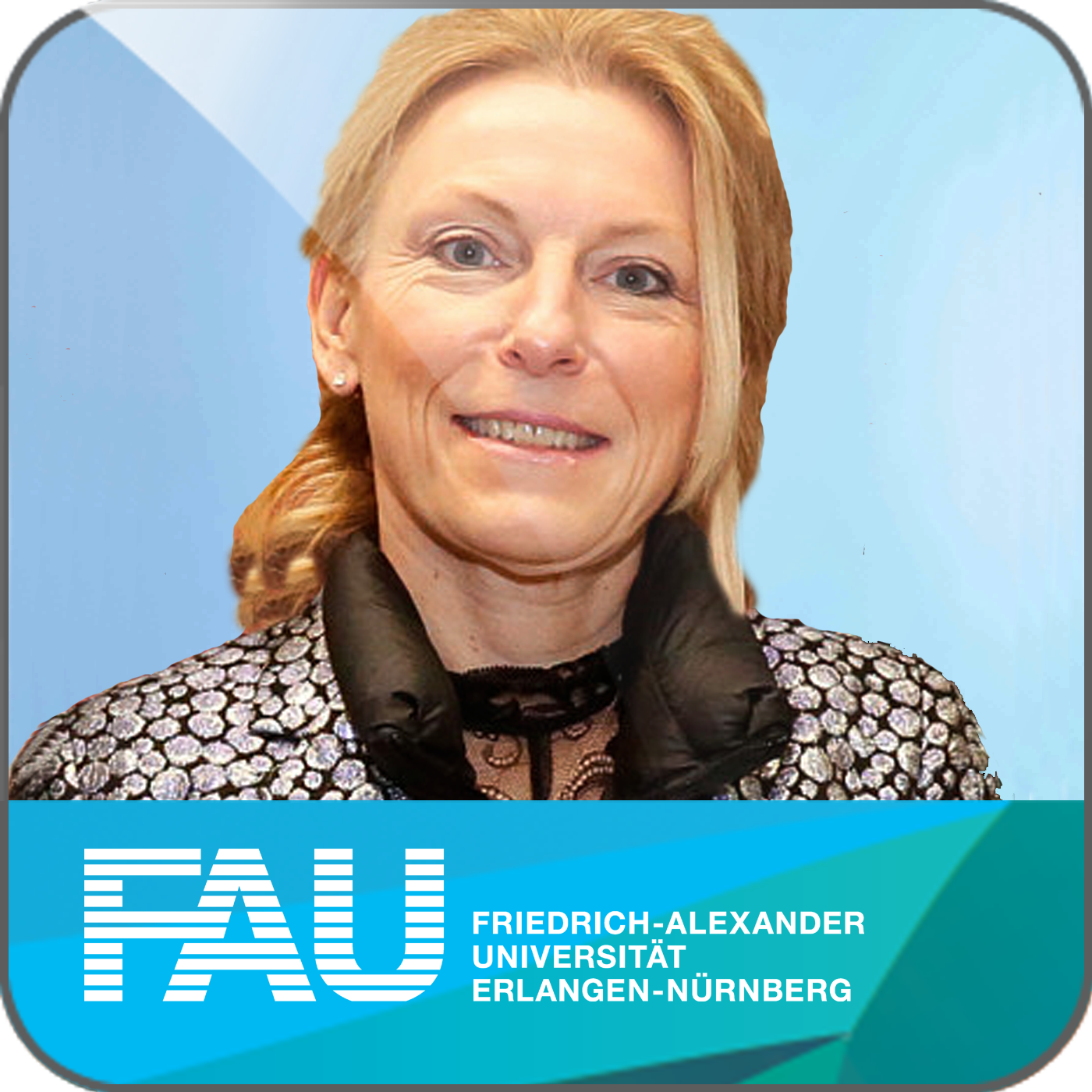 Prof. Dr. Laurence Zitvogel
Zugänglich über
Offener Zugang
Dauer
00:28:39 Min
Aufnahmedatum
2018-02-02
Hochgeladen am
2018-02-19 12:11:33
Sprache
de-DE